
Ever been driving on a chilly morning, or after a sudden rain shower, and found yourself peering through a hazy windshield? It's a common and frustrating experience that can quickly turn a pleasant drive into a stressful one. But fear not, because your car has a secret weapon against this foggy foe: the defogger!
That moment when your visibility suddenly drops to near zero can be incredibly unsettling. The rising panic as you struggle to wipe away the condensation, the strained eyes trying to make out the cars ahead... it's a situation nobody enjoys. It can make you late, it can make you anxious, and in the worst-case scenario, it can be downright dangerous.
This article will illuminate the inner workings of your car's defogging system, providing you with the knowledge to understand how it works and how to use it effectively. We'll break down the science behind the fog, the mechanics of the defogger, and offer tips to ensure clear visibility, no matter the weather. Get ready to demystify the defogger!
From understanding the science of condensation to mastering the use of your car's defogging system, this article covers everything you need to know for clear vision on every drive. We'll explore how your defroster removes moisture, the difference between front and rear defoggers, and even some handy tricks to prevent fog from forming in the first place. We will cover front defoggers, rear defoggers, defrosting, condensation, and HVAC systems.
The Science of Fog: Why Does it Happen?
I remember one particularly damp autumn morning. I was rushing to an important meeting, and as soon as I got into my car, the windows fogged up instantly. I frantically fiddled with the defogger, but it seemed to take forever to clear. By the time I could see clearly, I was already late and flustered. That experience really highlighted the importance of understanding how defoggers work, and why that pesky fog forms in the first place.
The reason windshields fog up boils down to a simple principle of physics: condensation. Warm, moist air inside your car comes into contact with the cold surface of the windshield. The air cools, and it can't hold as much moisture, so the water vapor condenses into tiny droplets on the glass, creating that hazy film we call fog. Think of it like a cold glass of water on a humid day; the water vapor in the air around the glass condenses on the cold surface, creating condensation. The same process happens inside your car, but on a much larger scale and often much more rapidly, especially when there are multiple people in the car, as they are breathing out moist air. This is the reason defoggers exist in cars.
The amount of moisture in the air and the temperature difference between the inside and outside of your car greatly influences how quickly the fog forms. The bigger the difference, the faster the condensation occurs. That's why you'll often find your windshield fogging up more severely on a cold, rainy day than on a mild, dry one. The HVAC system, humidity, and even the cleanliness of your windshield can play a role in how susceptible your car is to fogging. Now, let's delve into how those clever defogging systems work to combat this issue!
How Front Defoggers Work
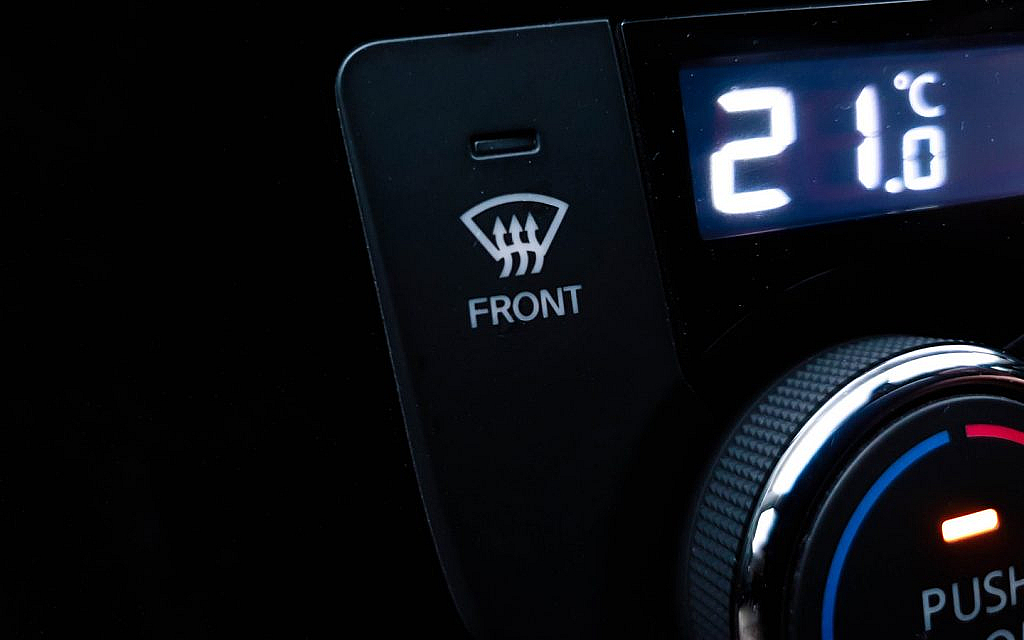
The front defogger is usually integrated with the car's heating, ventilation, and air conditioning (HVAC) system. When you activate the front defogger, the system typically directs warm, dry air towards the windshield. The warm air heats the glass, increasing its temperature and preventing moisture from condensing. At the same time, the dry air absorbs the existing moisture on the windshield, effectively clearing the fog. The air conditioning component plays a crucial role, as it helps to remove moisture from the air before it's blown onto the windshield, which is why running the AC along with the heat often provides the fastest and most effective defogging. Front defoggers in cars are a simple yet effective mechanism.
The effectiveness of a front defogger can also depend on the settings you use. It's generally recommended to set the temperature to warm, the fan speed to high, and the air direction to the windshield. Some cars have a dedicated "defog" or "defrost" button that automatically adjusts these settings for optimal performance. Make sure to check your car's manual for specific instructions. Running the defogger on recirculated air may initially speed up the process, but it can also trap moisture inside the car, leading to fog returning more quickly. Using fresh air mode is usually preferable in the long run.
Modern cars often come equipped with more advanced defogging features, such as automatic climate control systems that can detect humidity levels and adjust the defogger settings accordingly. These systems aim to maintain a comfortable and fog-free environment inside the car without requiring manual intervention. Furthermore, some premium vehicles have windshields with a special coating that helps to repel water and reduce the likelihood of fogging. Understanding the proper use and functionality of your car's front defogger is key to ensuring clear visibility and safe driving in various weather conditions.
A Brief History and Some Myths About Defoggers
The concept of defogging car windshields has evolved significantly over time. Early cars didn't have any defogging systems at all, and drivers had to rely on manual methods like wiping the windshield with a cloth or even using a squeegee. As automotive technology advanced, the first defogging systems emerged, typically involving simple vents that directed warm air towards the windshield. These early systems were often inefficient and took a considerable amount of time to clear the fog. It can be seen that the history of defoggers has come a long way.
The development of electric rear defoggers, which use heating elements embedded in the glass, was a significant breakthrough. These systems provided a more effective and faster way to clear the rear windshield. As HVAC systems became more sophisticated, front defoggers also improved, incorporating air conditioning to remove moisture from the air. The introduction of automatic climate control systems further enhanced defogging capabilities by automatically adjusting settings based on humidity levels. In the present day, modern defoggers can even be controlled with voice commands and smartphone apps in some vehicles. It is important to understand the history of defoggers.
One common myth about defoggers is that they only work with heat. While warm air is indeed effective at clearing fog, many modern systems also use air conditioning to remove moisture from the air, which can be even more efficient. Another myth is that wiping the windshield with a cloth is just as effective as using the defogger. While wiping can provide temporary relief, it doesn't address the underlying issue of condensation and can even make the problem worse by smearing the moisture around. The best way to clear fog is to use your car's defogging system properly, following the manufacturer's recommendations. As technology advances, the myth about defoggers can be clarified.
The Hidden Secret: Preventing Fog Before It Starts
One of the biggest secrets to dealing with fog is prevention. While your defogger is a great tool for clearing up a foggy windshield, you can take steps to minimize the fog formation in the first place. One effective method is to keep your windshield clean, both inside and out. Dirt, dust, and grime can provide a surface for moisture to condense on more easily, so regular cleaning can make a significant difference. If you prevent it before it forms, you do not have to deal with the problem.
Another useful trick is to use anti-fog products. These are sprays or wipes that you apply to the inside of your windshield to create a protective barrier that prevents condensation. Many automotive stores and online retailers sell these products, and they can be a worthwhile investment, especially if you live in an area with high humidity or frequent temperature changes. Anti-fog products are worth the investment.
Finally, ensure that your car's ventilation system is working properly. Check the air vents to make sure they are not blocked by debris or other obstructions. If your car has a cabin air filter, replace it regularly according to the manufacturer's recommendations. A clogged cabin air filter can restrict airflow and reduce the effectiveness of your defogger. By taking these preventive measures, you can significantly reduce the amount of fog that forms on your windshield and make your defogging system's job much easier. When you prevent fog before it starts, you can avoid a lot of trouble.
Recommendations for Optimal Defogger Use
To get the most out of your car's defogger, it's important to use it correctly and consistently. Start by familiarizing yourself with the location of the defogger controls in your car. Most cars have separate buttons or switches for the front and rear defoggers, and it's essential to know where they are so you can activate them quickly when needed. If you familiarise yourself with your car's defogger, you will have an easier time using it.
When you activate the front defogger, make sure the temperature is set to warm or hot, and the fan speed is set to high. Direct the airflow towards the windshield. Turn on the air conditioning to help remove moisture from the air. For the rear defogger, simply press the button to activate the heating elements in the glass. Remember that the rear defogger can take a few minutes to fully clear the fog, so be patient. You can also turn on the rear defogger.
If your car has automatic climate control, set it to the defog or defrost mode. The system will automatically adjust the temperature, fan speed, and airflow to clear the windshield efficiently. Regularly inspect your car's defogger components, such as the blower motor, vents, and heating elements, to ensure they are in good working condition. If you notice any problems, have them repaired promptly. Always follow the manufacturer's recommendations for defogger use and maintenance to ensure optimal performance and longevity. Taking care of the defogger is very important.
Understanding Rear Defoggers: How They Work
Rear defoggers operate on a different principle than front defoggers. Instead of using air, they rely on a network of thin heating elements embedded in the rear windshield. When you activate the rear defogger, these elements heat up, warming the glass and causing the condensation to evaporate. The elements are typically arranged in a grid pattern, ensuring that the entire surface of the windshield is heated evenly. If you ever look closely at your rear windshield, you'll notice those horizontal lines – those are the heating elements.
The rear defogger is particularly useful for clearing ice and snow from the rear windshield, as well as for removing fog. It's an essential feature for maintaining visibility in inclement weather. When using the rear defogger, it's important to avoid scratching or damaging the heating elements. Never use abrasive cleaners or sharp objects on the rear windshield, as this can damage the elements and render the defogger ineffective. In the event that one of the heating elements is damaged, it can often be repaired with a special conductive paint or adhesive. Be gentle with the rear defogger.
Modern cars may have advanced rear defogger systems that automatically turn off after a certain period of time to prevent overheating and conserve energy. Some cars also have heated side mirrors, which operate on the same principle as the rear defogger. These mirrors can be helpful for improving visibility in cold or wet weather. Regular inspection and maintenance of your car's rear defogger can ensure that it remains in good working condition and provides clear visibility whenever you need it. Modern cars have great rear defogger systems.
Tips and Tricks for a Fog-Free Ride
Beyond using your car's defogging system, there are several additional tips and tricks you can employ to keep your windshield fog-free. One simple trick is to crack open your windows slightly. Even a small gap can improve ventilation and reduce the amount of moisture in the air inside the car. If the weather isn't too cold or rainy, opening the windows can be an effective way to prevent fog from forming. A small gap can make a big difference.
Another useful tip is to use a clean cloth to wipe the inside of your windshield periodically. This can help to remove any lingering moisture and improve visibility. Keep a microfiber cloth in your car for this purpose. For a more long-term solution, consider using a commercial anti-fog spray or wipe. These products create a protective barrier on the glass that prevents condensation from forming. Anti-fog products can be especially helpful in humid or cold weather.
In addition to these tips, make sure your car's interior is clean and dry. Wet carpets or seats can contribute to moisture buildup inside the car. If you spill something, clean it up promptly. And don't leave wet umbrellas or clothing in the car. By following these tips and tricks, you can minimize fog formation and enjoy a clear, safe ride every time you get behind the wheel. These are simple tricks you can do in your car.
The Importance of a Clean Windshield
Maintaining a clean windshield, both inside and out, is crucial for optimal defogger performance and overall visibility. Dirt, dust, and grime on the windshield can create a surface for moisture to condense on more easily, exacerbating the fogging problem. Furthermore, a dirty windshield can scatter light, reducing visibility and making it more difficult to see in low-light conditions. A clean windshield can affect your visibility.
Regularly cleaning your windshield with a glass cleaner and a microfiber cloth can make a significant difference. Pay attention to both the inside and the outside of the windshield. The inside of the windshield can accumulate dust, dirt, and oily residue from your hands and the car's ventilation system. Use a glass cleaner that is specifically designed for automotive use to avoid damaging the glass or leaving streaks. A clean windshield is always important.
In addition to regular cleaning, consider using a glass protectant or water repellent on the outside of your windshield. These products create a hydrophobic barrier that repels water and dirt, making it easier to keep your windshield clean and clear. A clean windshield not only improves visibility but also enhances the effectiveness of your car's defogging system. It's a simple yet essential step in ensuring a safe and comfortable driving experience. Don't forget to clean your windshield!
Fun Facts About Car Defoggers
Did you know that the first car defoggers were simply manually operated wipers that drivers had to crank by hand? It wasn't until the 1930s that electric windshield wipers became more common. Another interesting fact is that the heating elements in rear defoggers are made of a special conductive material that allows electricity to flow through them without damaging the glass. Electric windshield wipers used to be cranked by hand.
The design of the rear defogger grid is carefully engineered to ensure even heat distribution across the entire windshield. Engineers use computer simulations to optimize the spacing and thickness of the heating elements. Some high-end cars have windshields with embedded heating elements that work like a front defogger. These systems can quickly clear ice and snow from the windshield. Not every car has a windshield with embedded heating elements.
The most common cause of defogger failure is damage to the heating elements in the rear windshield. This can happen if you scratch or scrape the glass, or if you use abrasive cleaners. If one of the heating elements is damaged, it may not be possible to repair it completely, but there are repair kits available that can restore some functionality. Even a small damage can impair the defogger.
How To Troubleshoot Defogger Problems
If your car's defogger isn't working as it should, there are several troubleshooting steps you can take to diagnose and potentially fix the problem. First, check the fuses. The defogger system is typically protected by a fuse, and if the fuse is blown, the defogger won't work. Consult your car's owner's manual to locate the fuse box and identify the defogger fuse. Replace any blown fuses with new ones of the same amperage. Consult your car's manual before trying to fix it.
If the fuses are okay, check the defogger switch or button. Make sure it's properly engaged and that there are no loose connections. If the switch seems faulty, it may need to be replaced. For the rear defogger, inspect the heating elements on the rear windshield. Look for any signs of damage, such as scratches or breaks in the elements. If you find any damage, you may be able to repair it with a defogger repair kit, which typically includes a conductive paint or adhesive. If the switch seems faulty, it may need to be replaced.
If the front defogger isn't working, check the blower motor and the air vents. Make sure the blower motor is running and that the air vents are not blocked by debris. A clogged cabin air filter can also restrict airflow and reduce the effectiveness of the defogger. If none of these steps resolves the problem, it's best to take your car to a qualified mechanic for further diagnosis and repair. You can bring your car to a qualified mechanic.
What If My Defogger Still Isn't Working?
Even after trying all the troubleshooting steps, there might be situations where your defogger continues to malfunction. In such cases, it's essential to delve deeper into the possible causes and seek professional assistance. One common reason could be a faulty blower motor. The blower motor is responsible for circulating air through the HVAC system, and if it's not working correctly, it can impact the defogger's performance. If the blower motor is faulty, it has to be replaced.
Another potential issue could be with the car's climate control system. If the system isn't properly regulating temperature and humidity, it can affect the defogger's ability to clear the windshield. This may require a more in-depth diagnosis by a skilled technician. Electrical problems, such as wiring issues or a malfunctioning relay, could also be to blame. These problems can be difficult to detect without specialized equipment.
If you've exhausted all DIY troubleshooting options, it's time to consult a qualified mechanic. They can use their expertise and diagnostic tools to identify the root cause of the problem and recommend the appropriate repairs. Ignoring a malfunctioning defogger can compromise your safety, especially in adverse weather conditions, so it's best to address the issue promptly. Don't ignore the issue and have it fixed promptly.
Top 5 Defogger Myths Debunked
1.Myth: You only need to use the defogger when it's cold outside. Reality:Fog can form any time there's a temperature difference between the inside and outside of your car, regardless of the season. Humidity plays a big role too.
2.Myth: Wiping the windshield is as effective as using the defogger. Reality:Wiping only provides temporary relief and can smear the moisture around, making the problem worse. The defogger addresses the underlying issue of condensation.
3.Myth: The defogger only works with heat. Reality:Modern defogging systems often use air conditioning to remove moisture from the air, making them more efficient. AC combined with heat is often the fastest way to clear fog.
4.Myth: Rear defoggers are only for removing ice and snow. Reality:While they're great for ice and snow, rear defoggers also effectively clear fog from the rear windshield.
5.Myth: All defoggers are the same. Reality:Defogger systems can vary in effectiveness and features depending on the car model and the sophistication of the HVAC system.
Question and Answer
Q: Why does my windshield fog up so quickly?
A: Rapid fogging is usually caused by a large temperature difference between the inside and outside of your car, combined with high humidity levels inside.
Q: Is it better to use recirculated air or fresh air when defogging?
A: Fresh air is generally better for long-term defogging, as it introduces drier air into the car. Recirculated air can initially speed up the process but can also trap moisture.
Q: How often should I clean my windshield to prevent fogging?
A: Clean your windshield at least once a month, or more often if you notice a buildup of dirt or grime.
Q: Can anti-fog products damage my windshield?
A: Most commercial anti-fog products are safe for use on car windshields, but always check the product label for specific instructions and warnings.
Conclusion of How Defoggers Work in Cars – Clear Vision Every Drive
Understanding how your car's defogger works is crucial for ensuring clear visibility and safe driving in various weather conditions. From the science of condensation to the mechanics of front and rear defoggers, we've covered the essential aspects of this often-overlooked system. By following the tips and tricks outlined in this article, you can minimize fog formation, troubleshoot common defogger problems, and enjoy a fog-free ride every time you get behind the wheel. Remember, clear vision is paramount for safe driving, so make sure your defogger is in good working condition and that you know how to use it effectively. Stay safe and enjoy the open road!

Post a Comment