
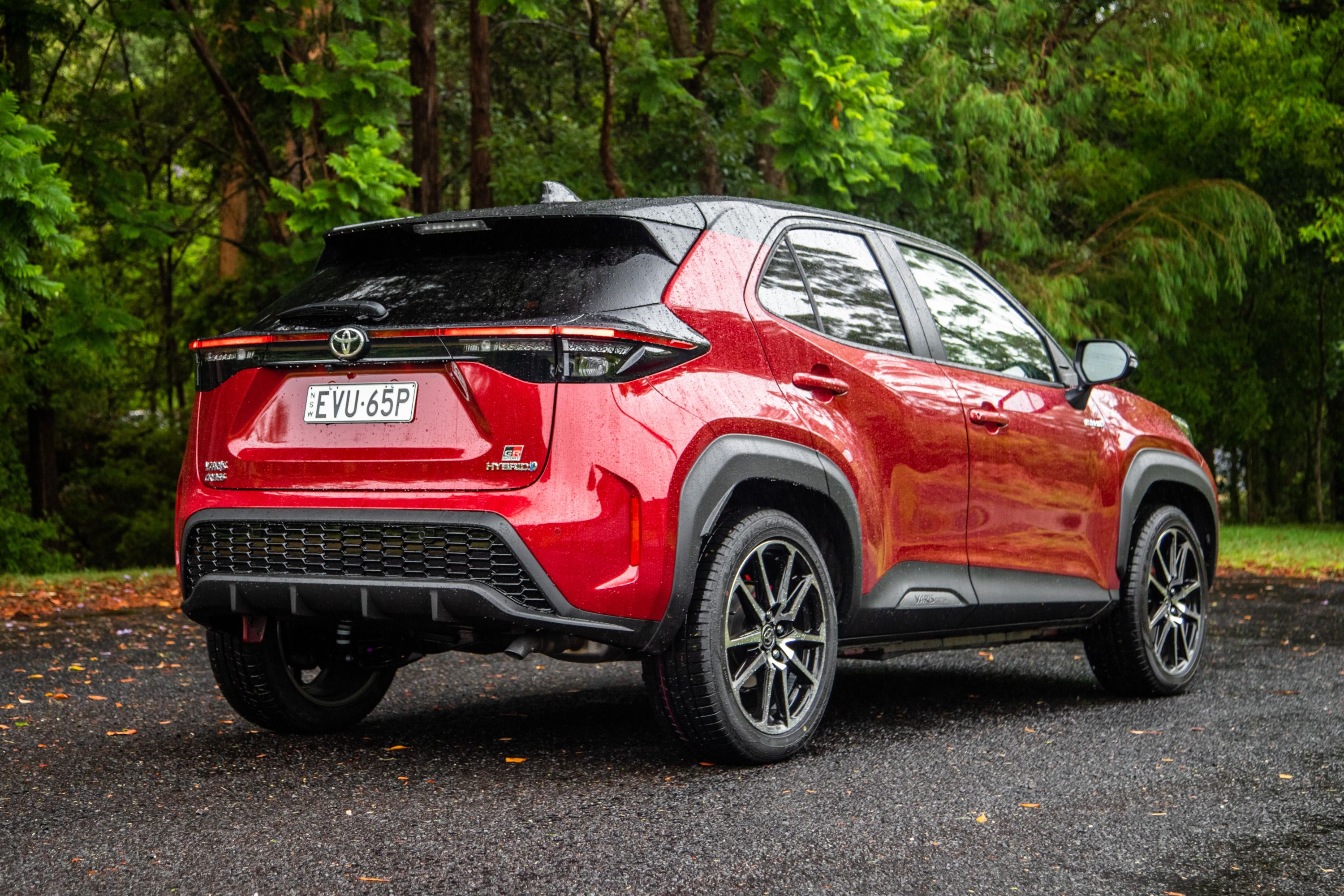
Considering a new car? You've probably heard a lot about hybrid vehicles and their potential fuel-saving benefits. But wading through all the information can feel overwhelming. Do they really save you money? Are they reliable? What are the actual differences between all the various types of hybrid cars available?
Many people find themselves stuck trying to understand the complexities of hybrid technology. They're unsure if the initial cost is worth the long-term savings and worried about the potential for expensive battery replacements. It's tough to make an informed decision when you're unsure about the details.
This guide is designed to provide you with a comprehensive understanding of hybrid vehicles. We'll break down the technology, explore the pros and cons, and help you determine if a hybrid car is the right choice for your needs. From fuel efficiency to environmental impact, we'll cover everything you need to know.
This article will cover everything from the basic definition of a hybrid vehicle to the various types of hybrid systems available, along with a detailed look at their advantages and disadvantages. We'll explore real-world fuel economy, environmental impact, and long-term cost considerations. Ultimately, you'll gain the knowledge needed to decide whether a hybrid car aligns with your lifestyle and budget. We will discuss hybrid cars, fuel efficiency, electric motors, gas engine, hybrid systems, environmental benefits, and long-term costs.
What Exactly is a Hybrid Vehicle?
So, what is a hybrid vehicle, really? Put simply, it's a car that combines a traditional internal combustion engine (ICE) with an electric motor and a battery pack. The magic lies in how these components work together to power the vehicle, often resulting in improved fuel efficiency compared to solely gas-powered cars. My first real encounter with hybrids was back in 2005 when a friend bought a brand new Toyota Prius. I remember being skeptical. "A gas engine AND a battery? Sounds complicated!" I thought. But I was quickly impressed by the smooth, quiet ride and the incredible gas mileage he was getting. That experience really opened my eyes to the potential of hybrid technology.
Now, hybrids come in various forms. The most common types are: mild hybrids, full hybrids, and plug-in hybrids (PHEVs). Mild hybrids offer a small electric motor that assists the engine, providing a boost during acceleration and enabling the start/stop function (which shuts off the engine when idling). Full hybrids, like that original Prius, can operate on electric power alone for short distances and at low speeds. Plug-in hybrids, on the other hand, have larger battery packs that can be charged from an external source, allowing for extended electric-only driving range. The electric motor and the battery provide an extra boost that improve fuel efficiency.
Beyond these main categories, there are also variations in how the hybrid system is integrated. Some hybrids use a "series" configuration, where the engine primarily acts as a generator to charge the battery, and the electric motor drives the wheels. Others use a "parallel" configuration, where both the engine and the motor can directly power the wheels. And some use a combination of both. Understanding these different types is crucial when choosing a hybrid vehicle, as they each offer different advantages in terms of fuel efficiency, electric range, and overall performance. Hybrid cars typically give better fuel efficiency compared to gas cars.
The Pros of Owning a Hybrid Vehicle
Let's talk about the upsides! The most obvious benefit of owning a hybrid vehicle is improved fuel efficiency. Hybrids are designed to use less gasoline than comparable non-hybrid vehicles, which translates to savings at the pump. This is especially true for city driving, where the electric motor can take over during stop-and-go traffic. Furthermore, hybrid cars produce fewer emissions compared to traditional gasoline cars. The electric motor assists the gas engine, reducing the amount of pollutants released into the atmosphere. This makes them a more environmentally friendly choice for drivers who are concerned about their carbon footprint. You also might be eligible for tax credits and rebates when you purchase a hybrid. Many governments offer incentives to encourage the adoption of eco-friendly vehicles.
Beyond these core benefits, hybrid vehicles often offer a smoother and quieter driving experience. The electric motor provides instant torque, resulting in quicker acceleration and a more responsive feel. The regenerative braking system, which captures energy during braking and uses it to recharge the battery, also contributes to a smoother ride. Finally, hybrid cars are generally reliable. The hybrid components are designed to last for many years, and many manufacturers offer extended warranties on the battery pack. This can provide peace of mind for owners who are concerned about the long-term cost of ownership. The ability to use electric motor makes hybrid cars more efficient.
The Cons of Owning a Hybrid Vehicle
No car is perfect, and hybrids have their drawbacks. The biggest one for most people is the higher initial cost. Hybrid vehicles tend to be more expensive than their non-hybrid counterparts. That extra technology adds to the manufacturing costs. Battery replacement can also be a concern. Although hybrid batteries are designed to last for many years, they will eventually need to be replaced. The cost of a new battery pack can be significant, although prices have been coming down in recent years. Depending on the model, hybrids may have less cargo space compared to non-hybrid versions. The battery pack often takes up space that would otherwise be used for storage.
Also, some hybrid vehicles may not offer the same level of performance as traditional gasoline cars, especially in terms of acceleration and towing capacity. This is because the electric motor is often used to supplement the engine, rather than replace it. Finally, finding a qualified mechanic to work on a hybrid vehicle can be more difficult than finding one who can work on a traditional gasoline car. Hybrid technology is more complex, and not all mechanics have the necessary training and experience. Hybrid cars require specific maintenance compared to normal cars.
Hybrid Vehicle Myths Debunked
There are many misconceptions about hybrid vehicles. One common myth is that hybrid batteries need to be replaced every few years. In reality, hybrid batteries are designed to last for many years, often exceeding 100,000 miles or more. Most manufacturers offer warranties on their batteries, which can provide peace of mind for owners. Another myth is that hybrid vehicles are slow and underpowered. While it's true that some hybrids may not offer the same level of performance as high-performance gasoline cars, many hybrids offer more than adequate acceleration and performance for everyday driving. In fact, the electric motor can provide instant torque, resulting in quicker acceleration in some situations.
Some people also believe that hybrid vehicles are difficult to maintain. While it's true that hybrid technology is more complex than traditional gasoline car technology, hybrid vehicles are generally reliable and do not require significantly more maintenance. In fact, the regenerative braking system can actually reduce wear and tear on the brakes, potentially extending their lifespan. Finally, there's a myth that hybrid vehicles are only suitable for city driving. While it's true that hybrids excel in city driving, they can also be a great choice for highway driving. Many hybrids offer excellent fuel efficiency on the highway, and the electric motor can provide a boost during acceleration and passing. Hybrid car myths are abundant in the car industry.
Hidden Benefits of Hybrid Vehicles You Might Not Know
Beyond the obvious benefits of fuel efficiency and reduced emissions, hybrid vehicles offer some lesser-known advantages. For example, many hybrid vehicles are equipped with regenerative braking systems. This system captures energy during braking and uses it to recharge the battery, which can extend the life of the brake pads and reduce the need for maintenance. Hybrids often qualify for high-occupancy vehicle (HOV) lane access, even with only one occupant. This can save time and reduce stress during rush hour commutes. This is a huge factor in cities like LA where traffic is abundant and always jammed.
Hybrid vehicles also tend to hold their value well over time. This is because they are in high demand, especially among environmentally conscious consumers. This can translate to a higher resale value when it's time to trade in or sell your hybrid. In addition, hybrid vehicles often come equipped with advanced technology features, such as adaptive cruise control, lane departure warning, and automatic emergency braking. These features can enhance safety and convenience. Finally, owning a hybrid vehicle can be a statement of your commitment to sustainability and environmental responsibility. It's a way to show that you care about the planet and are willing to make a difference. Hybrid cars can be an eco-friendly option for you and the environment.
Which Hybrid Vehicle is Right for You? A Recommendation Guide
Choosing the right hybrid vehicle depends on your individual needs and priorities. If you're primarily concerned with fuel efficiency and do a lot of city driving, a full hybrid like the Toyota Prius or Honda Insight might be a good choice. These vehicles offer excellent gas mileage and can operate on electric power alone for short distances. If you need more cargo space and want a versatile vehicle, a hybrid SUV like the Toyota RAV4 Hybrid or Honda CR-V Hybrid might be a better fit. These vehicles offer plenty of room for passengers and cargo, while still delivering good fuel efficiency. For those who want the ability to drive on electric power for extended periods, a plug-in hybrid like the Toyota Prius Prime or Hyundai Ioniq Plug-In Hybrid could be a good option. These vehicles can be charged from an external source, allowing for longer electric-only driving range.
If you're looking for a hybrid vehicle with sporty performance, consider a hybrid sedan like the Acura NSX or BMW i8. These vehicles offer impressive acceleration and handling, while still delivering good fuel efficiency. It's also important to consider your budget when choosing a hybrid vehicle. Hybrid vehicles tend to be more expensive than non-hybrid vehicles, so it's important to find one that fits your budget. Finally, be sure to research the reliability and maintenance costs of any hybrid vehicle you're considering. Check online reviews and talk to other hybrid owners to get a sense of their experiences. Hybrid cars are great, but take time to consider and research.
Understanding Different Types of Hybrid Systems
As mentioned earlier, hybrid systems come in various flavors, each with its own approach to integrating the electric motor and gasoline engine. In a "series hybrid" system, the gasoline engine acts solely as a generator, producing electricity to power the electric motor, which in turn drives the wheels. This setup is less common in passenger vehicles but is sometimes found in larger vehicles like buses and trucks. A "parallel hybrid" system, on the other hand, allows both the gasoline engine and the electric motor to directly power the wheels. This is the most common type of hybrid system found in cars like the Toyota Prius and Honda Accord Hybrid. It offers a good balance of fuel efficiency and performance.
There are also "series-parallel hybrid" systems, which combine elements of both series and parallel configurations. These systems can switch between series and parallel modes depending on driving conditions, optimizing for fuel efficiency or performance as needed. In addition to these basic configurations, there are also "mild hybrid" systems, which use a small electric motor to assist the gasoline engine during acceleration and enable the start/stop function. Mild hybrids don't offer the same level of fuel efficiency as full hybrids, but they are generally less expensive and can still provide a noticeable improvement in gas mileage. Understanding these different types of hybrid systems can help you make a more informed decision when choosing a hybrid vehicle. Hybrid car systems should be a factor when purchasing a car.
Tips for Maximizing Fuel Efficiency in Your Hybrid Vehicle
Once you own a hybrid vehicle, there are several things you can do to maximize its fuel efficiency. One of the most important is to drive smoothly and avoid aggressive acceleration and braking. Rapid acceleration and hard braking consume more energy and reduce fuel economy. Instead, try to accelerate gradually and anticipate stops, allowing the regenerative braking system to capture energy and recharge the battery. Maintaining a steady speed on the highway can also improve fuel efficiency. Avoid speeding and try to stay within the optimal speed range for your vehicle.
Proper tire inflation is also crucial for fuel efficiency. Underinflated tires increase rolling resistance, which reduces gas mileage. Check your tire pressure regularly and inflate them to the recommended level. Reducing the weight you carry in your vehicle can also improve fuel efficiency. Remove any unnecessary items from your trunk and backseat, as extra weight can reduce gas mileage. Finally, be sure to keep your hybrid vehicle properly maintained. Regular maintenance, such as oil changes and tune-ups, can ensure that your vehicle is running efficiently. Hybrid cars give the best gas mileage, and these are tips on how to maintain it.
Understanding Regenerative Braking in Hybrid Vehicles
Regenerative braking is a key technology that helps hybrid vehicles achieve their impressive fuel efficiency. Unlike traditional braking systems, which convert kinetic energy into heat, regenerative braking captures some of that energy and uses it to recharge the battery. When you apply the brakes in a hybrid vehicle, the electric motor acts as a generator, slowing the vehicle down and producing electricity. This electricity is then stored in the battery pack, which can be used later to power the electric motor. This process not only helps to conserve energy but also reduces wear and tear on the brake pads, potentially extending their lifespan.
Regenerative braking systems can vary in their effectiveness. Some systems are more aggressive than others, providing stronger braking force and capturing more energy. Others are more subtle, providing a more natural braking feel. In some hybrid vehicles, the regenerative braking system is adjustable, allowing drivers to customize the braking feel to their preferences. It's important to note that regenerative braking systems do not replace traditional friction brakes. In emergency situations or when more braking force is needed, the traditional brakes will still engage. Regenerative braking is a great aspect of hybrid cars.
Fun Facts About Hybrid Vehicles
Did you know that the first hybrid car was actually created in the late 19th century? Ferdinand Porsche, yes,that Porsche, developed a vehicle called the "Lohner-Porsche Mixte" in 1898, which combined an electric motor with a gasoline engine. It was a far cry from the hybrids we know today, but it was a groundbreaking invention nonetheless. Hybrid cars have come a long way ever since the late 19th century. Another fun fact is that the Toyota Prius, which is often credited with popularizing hybrid vehicles, wasn't the first hybrid car on the market. The Honda Insight, released in 1999, was actually the first hybrid car to be sold in North America.
Here's another interesting tidbit: some hybrid vehicles use a technology called " Atkinson cycle" to improve fuel efficiency. The Atkinson cycle engine is designed to extract more energy from each combustion cycle, resulting in better gas mileage. Many hybrid vehicles also use lightweight materials, such as aluminum and carbon fiber, to reduce their weight and improve fuel efficiency. These materials can be more expensive than traditional steel, but they can make a significant difference in fuel economy. Fun facts can be interesting and informational.
How to Choose the Best Hybrid Vehicle for Your Needs
Choosing the best hybrid vehicle for your needs involves considering several factors. First, think about your driving habits. Do you primarily drive in the city or on the highway? If you do a lot of city driving, a full hybrid or plug-in hybrid might be a good choice, as these vehicles can operate on electric power alone for short distances. If you do more highway driving, a mild hybrid or standard hybrid might be a better fit, as these vehicles offer good fuel efficiency at higher speeds. Next, consider your budget. Hybrid vehicles tend to be more expensive than non-hybrid vehicles, so it's important to set a budget and stick to it.
Think about the size and type of vehicle you need. Do you need a sedan, SUV, or truck? There are hybrid versions of many different types of vehicles, so you can find one that fits your needs. Read reviews and compare different models. There are many online resources that provide reviews and comparisons of hybrid vehicles. This can help you narrow down your choices and find the best vehicle for your needs. Finally, take a test drive. Before you make a purchase, be sure to take a test drive to see how the vehicle feels and performs. This will help you make sure that it's the right fit for you. Hybrid cars can be an option when buying a car.
What If Hybrid Vehicle Technology Continues to Improve?
The future of hybrid vehicle technology looks bright. As battery technology continues to improve, hybrid vehicles will be able to travel longer distances on electric power alone. This will further reduce their reliance on gasoline and lower their emissions. Automakers are also working on developing more efficient gasoline engines, which will further improve the fuel economy of hybrid vehicles. As technology improves, these vehicles will be more efficient.
We could also see the development of new types of hybrid systems, such as solid-state batteries or hydrogen fuel cells. These technologies have the potential to revolutionize the hybrid vehicle market and make hybrid vehicles even more appealing to consumers. In addition, hybrid vehicle technology is likely to become more affordable over time. As production volumes increase and technology becomes more widespread, the cost of hybrid components will decrease, making hybrid vehicles more accessible to a wider range of consumers. The hope is for the cost to decrease so more and more people can buy a hybrid car.
Top 5 Hybrid Vehicles on the Market Today
Here's a quick list of some of the top hybrid vehicles available today, each offering unique strengths:
- Toyota Prius: The classic hybrid, known for its exceptional fuel economy and reliability.
- Honda CR-V Hybrid: A spacious and practical SUV with excellent gas mileage and a comfortable ride.
- Ford Maverick Hybrid: A compact pickup truck offering impressive fuel efficiency and versatility.
- Hyundai Sonata Hybrid: A stylish and well-equipped sedan with a comfortable interior and a long list of features.
- Lexus RX 450h: A luxurious and refined SUV with a smooth ride and a high-quality interior.
This list is just a starting point, and there are many other great hybrid vehicles on the market. Be sure to do your research and find the one that best meets your needs and budget. Hybrid cars give various options to choose from.
Question and Answer
Q: Are hybrid vehicles more expensive to maintain than traditional gasoline cars?
A: Not necessarily. While hybrid vehicles have some unique components, such as the battery pack, they often require less maintenance than traditional gasoline cars. The regenerative braking system, for example, can extend the life of the brake pads. Also, many hybrid components are designed to last for many years, reducing the need for repairs.
Q: How long do hybrid batteries last?
A: Hybrid batteries are designed to last for many years, often exceeding 100,000 miles or more. Most manufacturers offer warranties on their batteries, which can provide peace of mind for owners. When purchasing a hybrid car, research the battery life and warranty.
Q: Do hybrid vehicles offer the same performance as traditional gasoline cars?
A: It depends on the model. Some hybrid vehicles offer similar or even better performance than traditional gasoline cars, while others may be slightly less powerful. The electric motor can provide instant torque, resulting in quicker acceleration in some situations. It is important to consider performance when buying a hybrid car.
Q: Are there any tax incentives for buying a hybrid vehicle?
A: Yes, in many cases, there are tax incentives available for buying a hybrid vehicle. These incentives can vary depending on the state and federal government. Be sure to research the available incentives before you make a purchase.
Conclusion of What Is a Hybrid Vehicle? Full Guide With Pros and Cons
Hybrid vehicles offer a compelling blend of fuel efficiency, environmental responsibility, and innovative technology. While they may have a higher initial cost compared to traditional gasoline cars, the long-term savings on fuel and reduced emissions can make them a worthwhile investment for many drivers. By understanding the different types of hybrid systems, weighing the pros and cons, and carefully considering your individual needs, you can make an informed decision about whether a hybrid vehicle is the right choice for you. From fuel efficiency to electric motor, we hope this guide has given you what you need to know about hybrid vehicles.

Post a Comment